Jan. 21, 2026
From L'Oréal Labs to Indie Beauty: The Real Cost of Formulation with Alec Batis
The player is loading ...
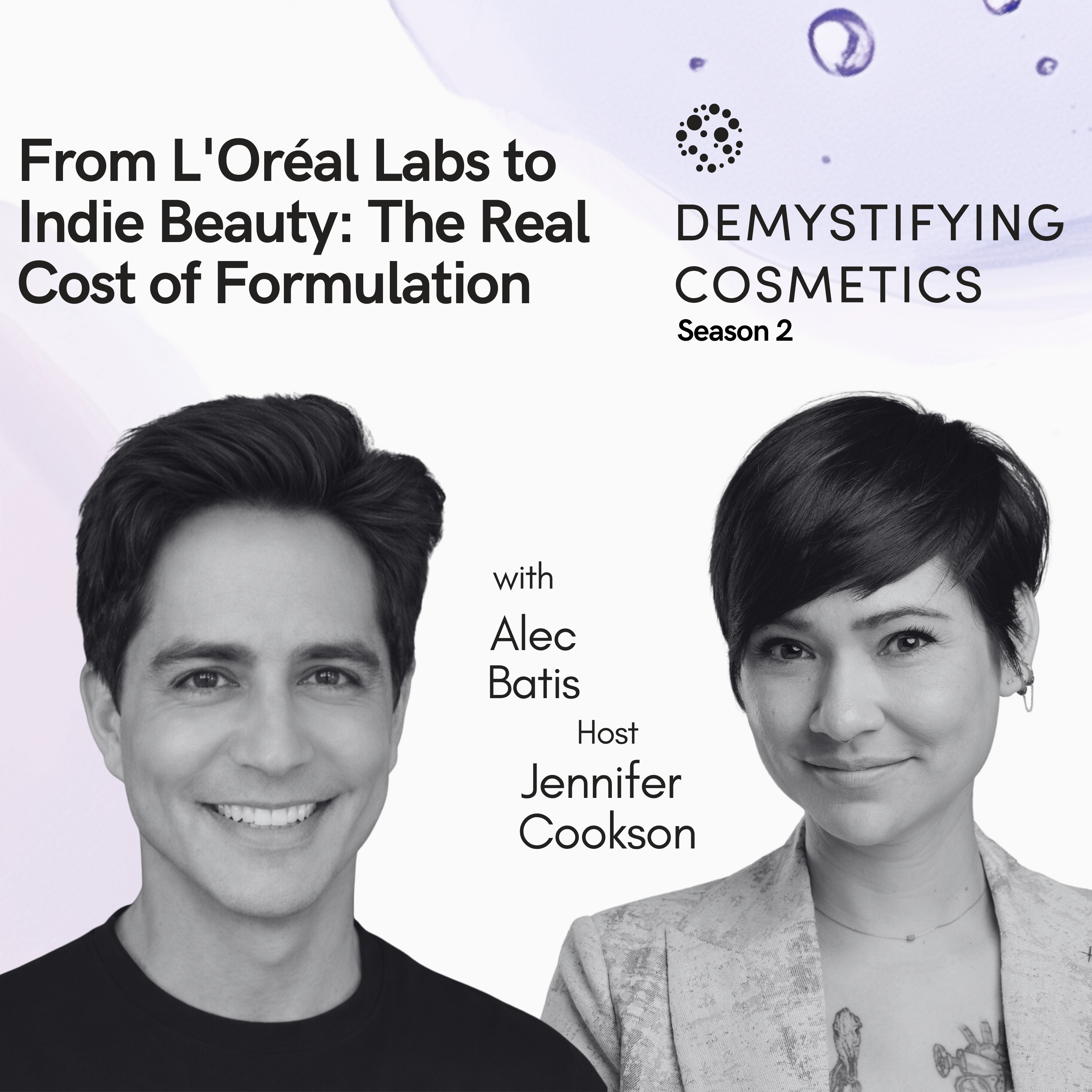


In this episode, Jennifer sits down with Alec Batis, whose 30+ year career in beauty spans R&D, marketing, and brand ownership. Alec shares his journey from L'Oréal chemist to founder of Sweet Chemistry, a science-backed skincare brand developed with SUNY Downstate Medical Center. The conversation explores the intersection of chemistry and marketing, the reality of cost-of-goods in beauty formulation, and building a values-driven brand in a prestige-obsessed industry.
Key Takeaways:
- Career pivots driven by curiosity and opportunity: Alec's path from chemistry degree to L'Oréal R&D happened through persistence (calling HR monthly for 8 months) and landing a role after an earthquake destroyed Redken's California facility. His transition to marketing came from being vocally opinionated about product positioning during lab visits, ultimately choosing marketing over R&D in France based on salary potential rather than passion alone.
- Value analysis reveals the margin games in beauty: Working as a VA chemist evaluating Kiehl's acquisition, Alec learned how brands reformulate products to dramatically reduce cost-of-goods while maintaining identical texture and finish. This exposed the significant margin manipulation possible in prestige beauty, where pricing often reflects positioning strategy rather than ingredient costs or formulation complexity.
- Marketing budgets and excess defined 90s beauty culture: The industry operated with unprecedented resources during Alec's L'Oréal marketing years, including Concorde flights to Paris, black town cars for meetings, and mandatory Manolo Blahnik heels for female marketers. This excess created a specific aesthetic and approach to brand building that contrasts sharply with today's leaner, digitally-focused beauty landscape.
- Indie brands face impossible cost-of-goods pressures: Without scale, emerging brands must compete against established companies that can negotiate pennies-per-unit pricing through massive volume. Some founders resort to what Alec calls "survival not deception" by using marketing language that stretches truth, often because they lack scientific knowledge about their own formulations and suppliers.
- Sweet Chemistry built on value-based pricing not prestige positioning: Rather than following prestige beauty's playbook of charging maximum margins on cleansers or positioning at $400+ based on proprietary technology, Sweet Chemistry prices products according to actual cost-of-goods. The brand manufactures major kind peptides in-house at SUNY Downstate and plans to reduce prices further through economies of scale, prioritizing accessibility over luxury perception.